
In the third installment of our Unlocking AI for Social Impact webinar series, we went deeper into what it takes to move from AI curiosity to organizational confidence. Our first session introduced Claude for Nonprofits and the landscape of AI tools available to mission-driven organizations (catch up on the recording here). Our second explored how AI can transform financial workflows — from grant reporting to budget analysis (catch up on the recording here).
In this session, we unpacked a practical, five-pillar AI Readiness framework and walked through an example of how we’re applying it with a client. If you’ve been wondering how to move from scattered AI experiments to something more intentional and organization-wide, this is where we started to answer that question.
Summary:
From Scattered Experiments to Structured Readiness
AI fluency is like fitness: you never “complete” it. You put in the work, and over time, you get better. Things that once felt intimidating become routine. What used to take effort starts to come naturally. There’s no finish line to miss, no podium to chase. The only question that matters is not whether you’ve “arrived”, it’s whether you’re moving.
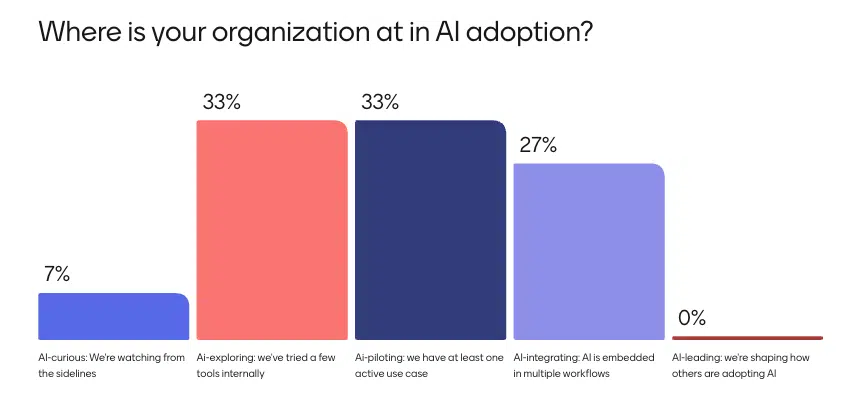
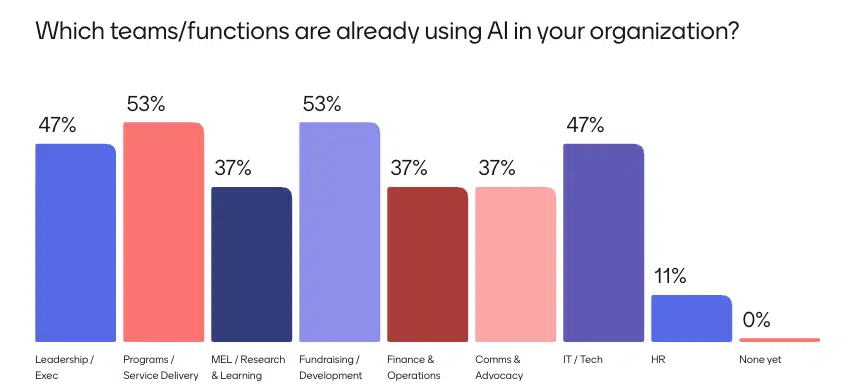
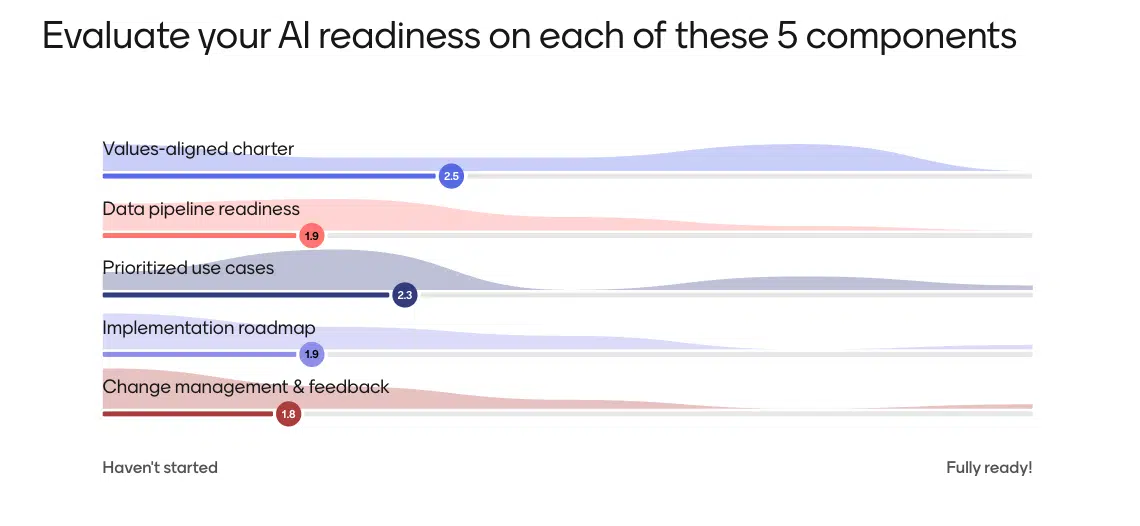
We also challenged a common misconception: AI readiness isn’t only for large nonprofits with perfect data and big tech budgets. It requires intention and structure, not scale, which means organizations of all sizes can start. With that grounding, we introduced the five pillars of AI readiness that Vera uses to help organizations assess where they stand and where to focus next.
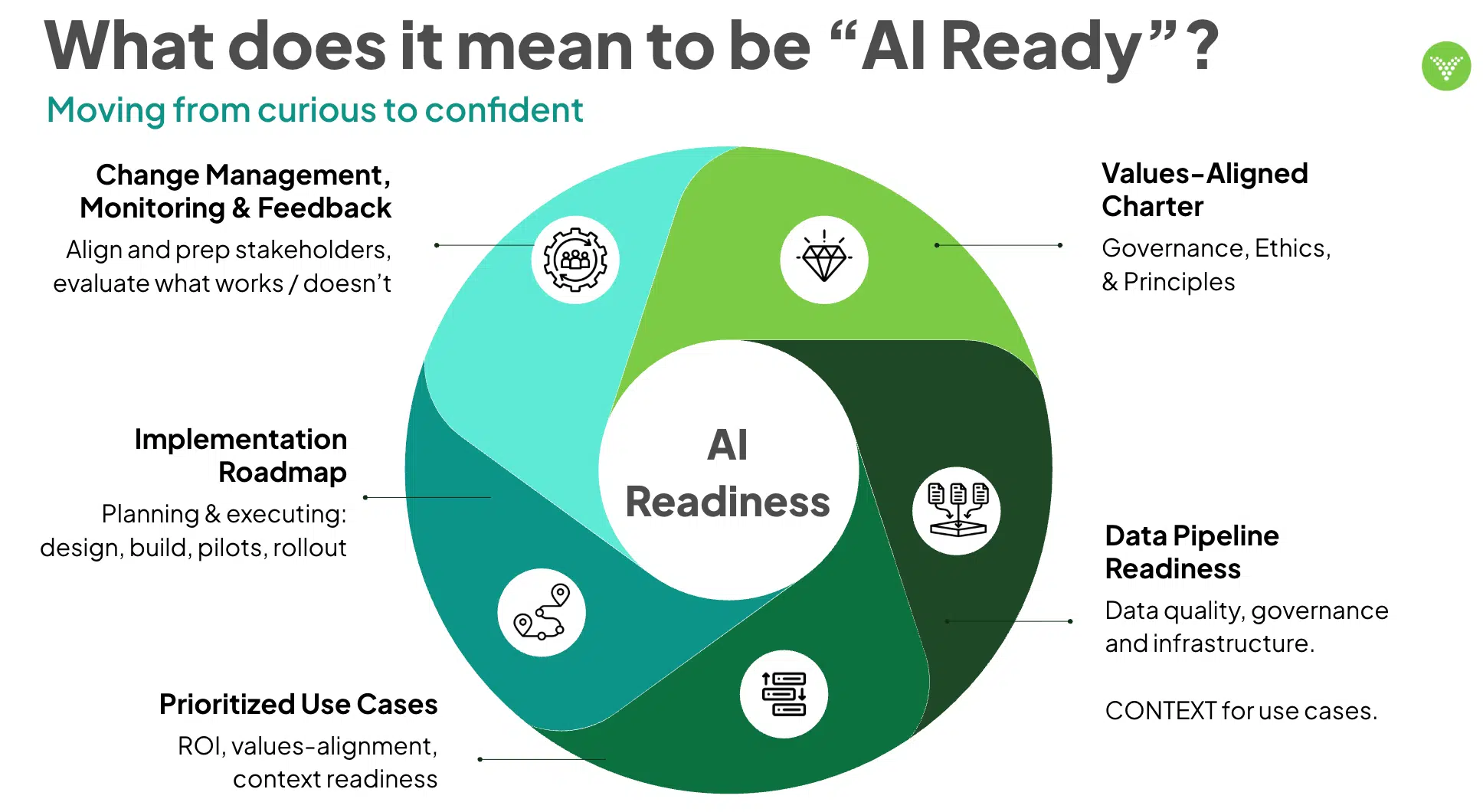
Pillar 1: Values-Aligned Charter
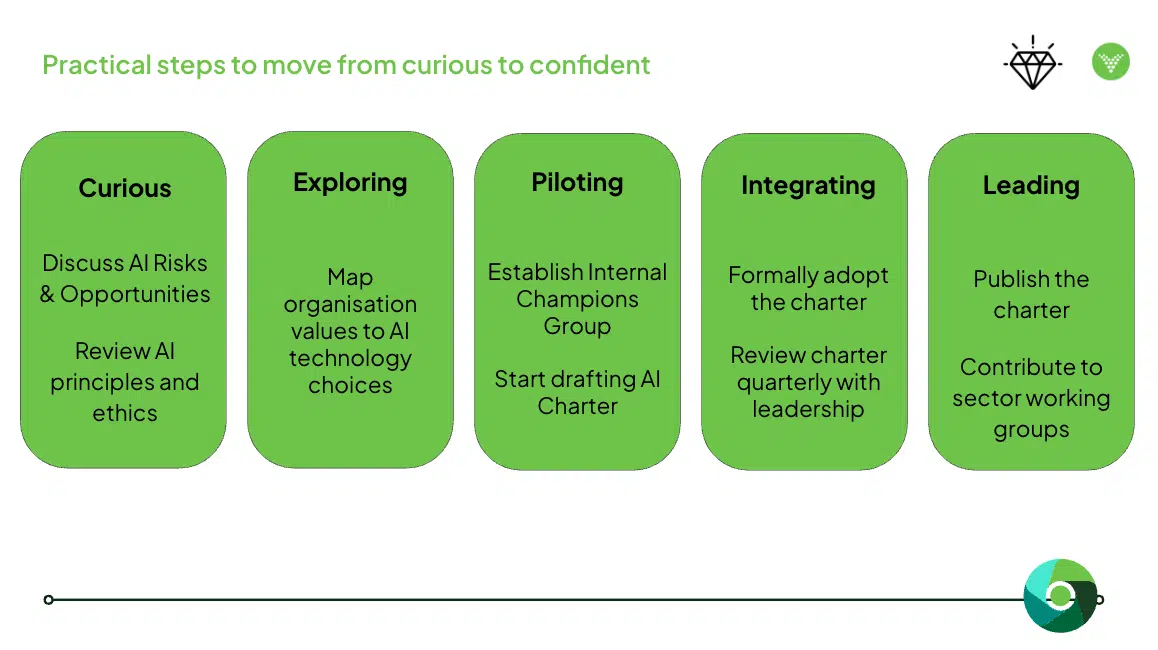
This pillar emphasizes governance: having a clear, written stance on how your organization will use AI. Start with internal conversations: What are the risks? What are our principles? You don’t need a polished document on day one. Begin by mapping your organizational values against your technology choices, then gradually formalize from there. The milestone to aim for is a first draft of an AI charter, reviewed regularly with leadership. At the leading stage, you publish it externally and contribute to sector-wide conversations on responsible AI.
Pillar 2: Data Pipeline Readiness
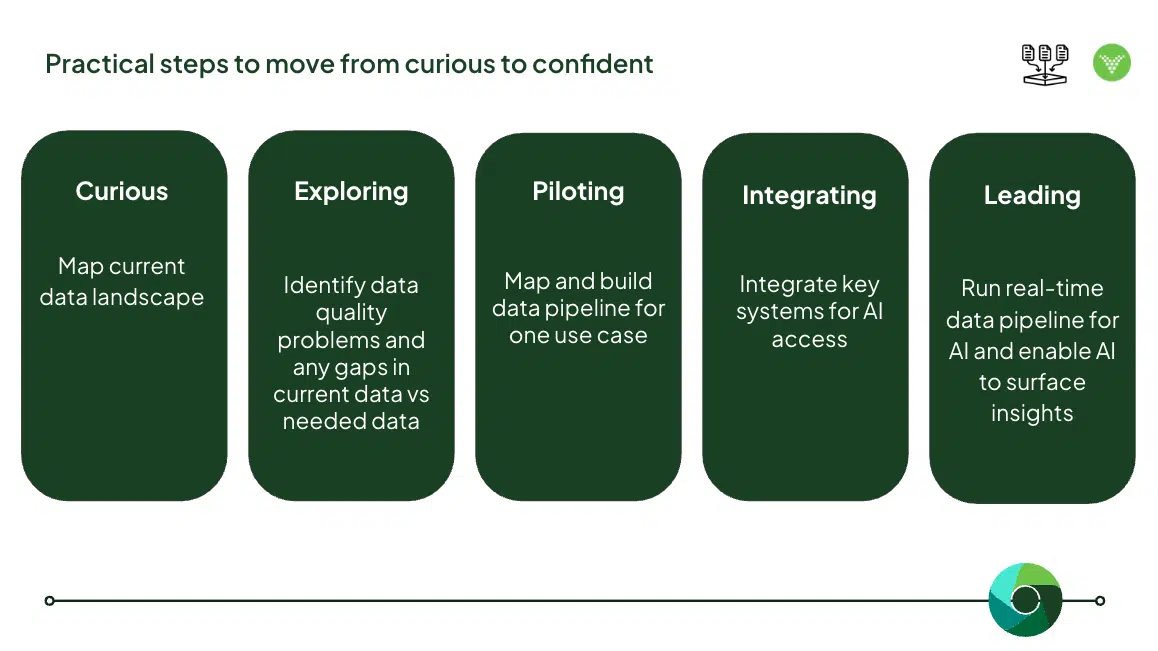
AI is only as useful as the context you feed it. If your data is scattered, inconsistently formatted, or siloed across systems without a common data model, even the most capable model will struggle to deliver meaningful results.
At the curious stage, you’re mapping what data you have, who owns it, and whether it’s clean. As you mature, you identify quality gaps for specific use cases, build pipelines, ensure the right systems are integrated, and eventually reach a place where AI can surface insights across your data. Most organizations we speak to are somewhere in the middle: data needs intentional mapping and clean-up before it’s ready to power AI automation.
A practical starting point is a self-assessment across four questions:
Pillar 3: Prioritized Use Cases
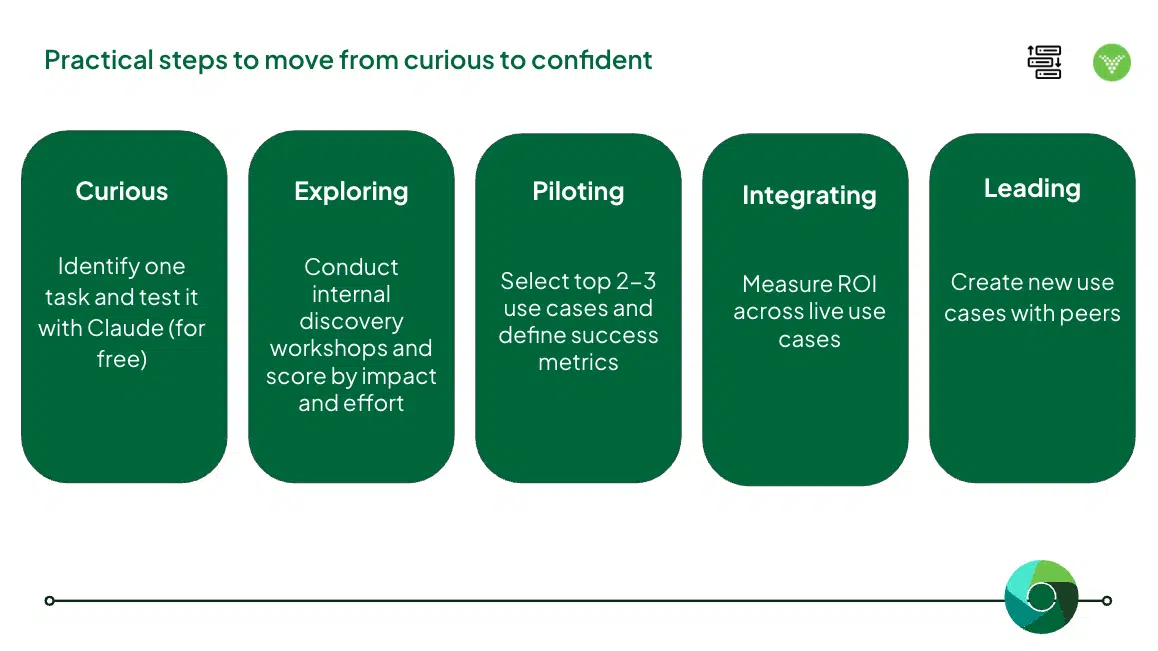
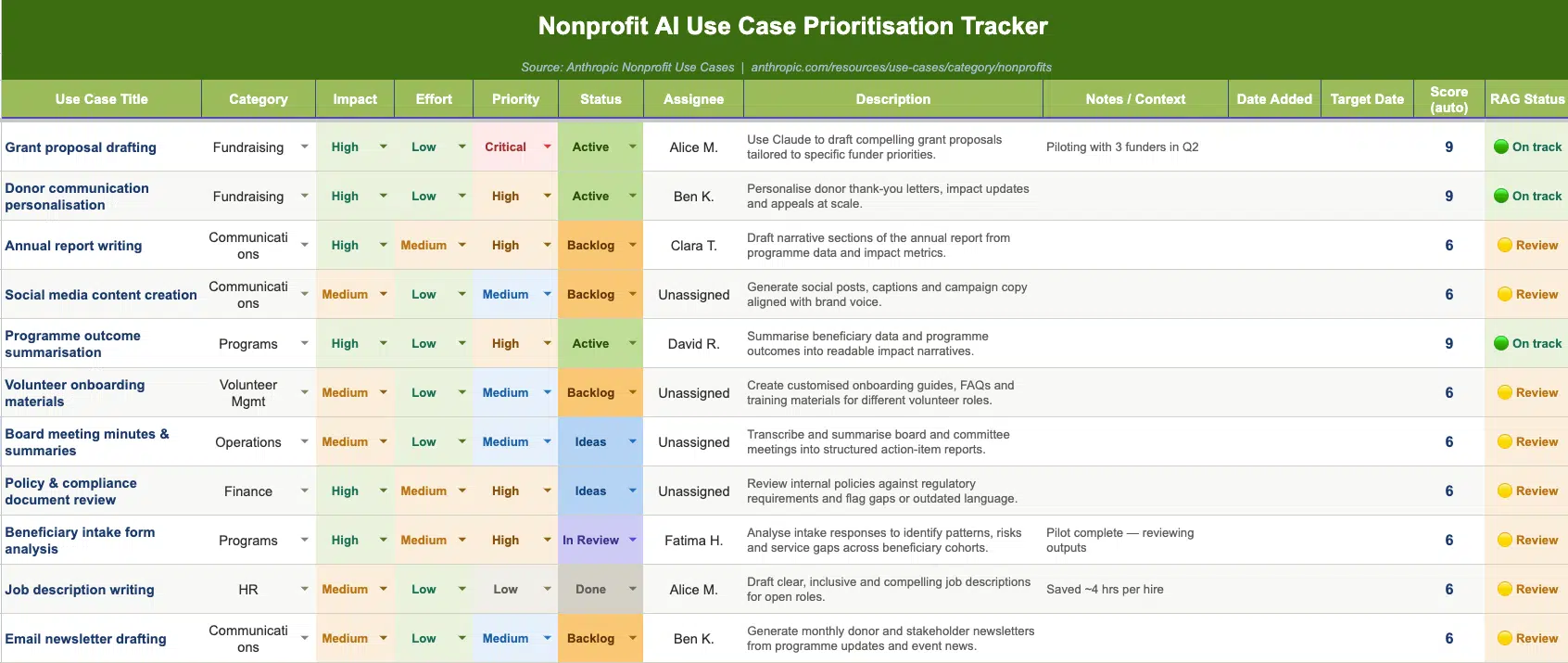
Pillar 4: Implementation Roadmap
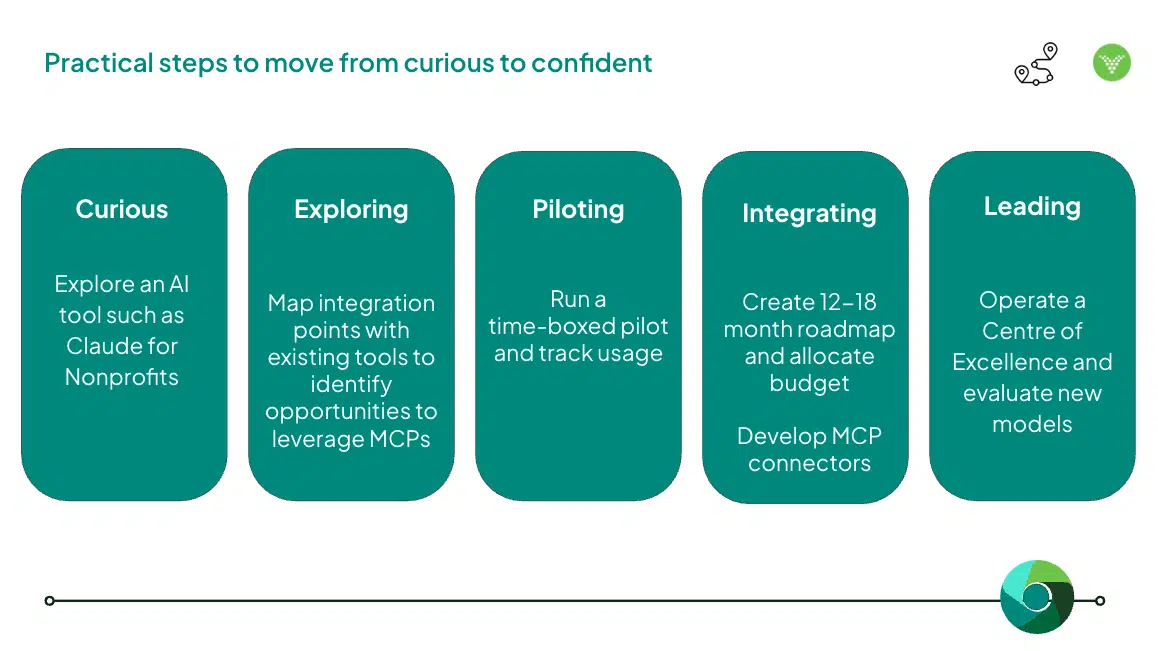
Pillar 5: Change Management, Monitoring, & Feedback
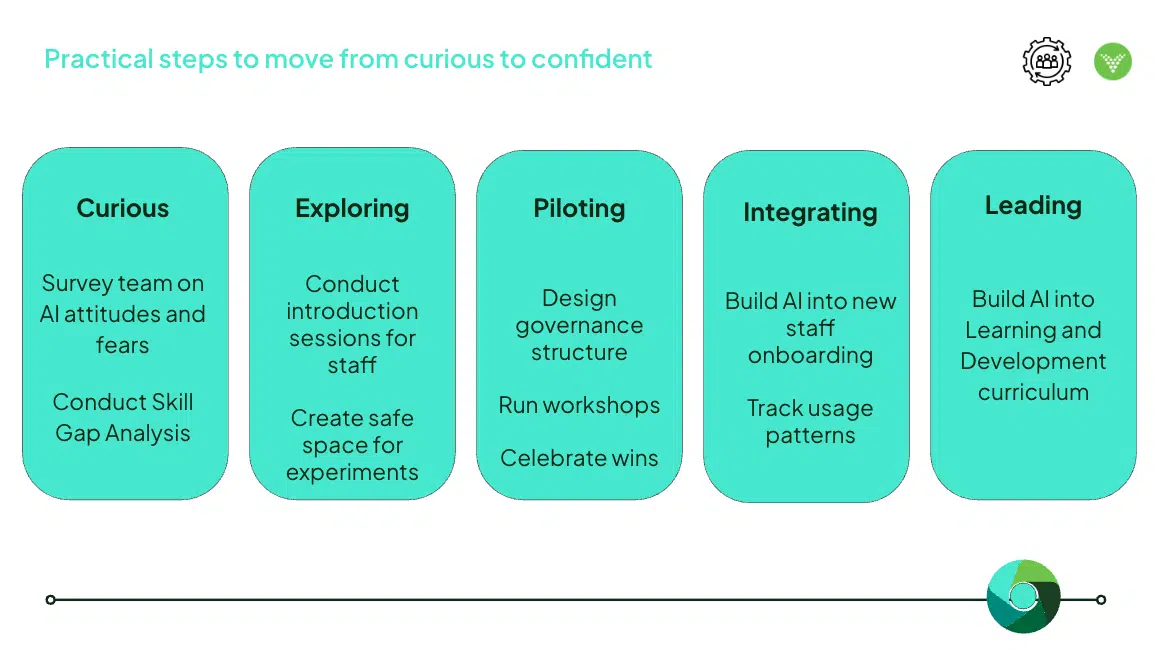
Technology fails when people don’t trust it, weren’t involved in decisions about it, or lack the skills to use it effectively. That’s why change management is the fifth, and most underestimated, pillar. A good place to start is a team survey of attitudes and concerns to understand what you’re working with. From there, create spaces where people feel safe to experiment. As you progress, you’re training staff, celebrating wins, designing governance structures, and embedding AI literacy into staff onboarding and learning-and-development curricula.
A simple first step: identify two or three people in your organization who are already curious about AI, nominate them as informal champions, and give them space and permission to explore.
Putting It Into Practice: A Real Client Example
We’re currently working with a global health nonprofit to support their movement from AI-curious to AI-leading. When we engaged them, they were operating in a state familiar to many: individuals using ChatGPT independently, some experimentation with AI process automation, no shared organizational AI context, and leadership that recognized the opportunity but hadn’t yet structured a path forward.
This client will be featured in our next webinar – a chance to hear directly from an organization actively navigating this journey. Stay tuned!
Moving Forward
AI readiness isn’t about having everything figured out before you begin; it’s about building momentum across the five pillars in a way that’s grounded in your organization’s values, data, and capacity. The organizations that will lead on AI aren’t necessarily the largest or best-resourced; they’re the ones that start intentionally and keep moving.